
Length
Measured from the head to the foot, normally stated in inches in the United States and millimeters in many other markets.
Preparing your private collection and its latest confirmed evidence…
Private records remain hidden until the complete view is ready.A vitola describes a cigar’s physical format: its length, ring gauge, and shape. Those dimensions influence how a blend is constructed, how it burns, and how the collector encounters it.
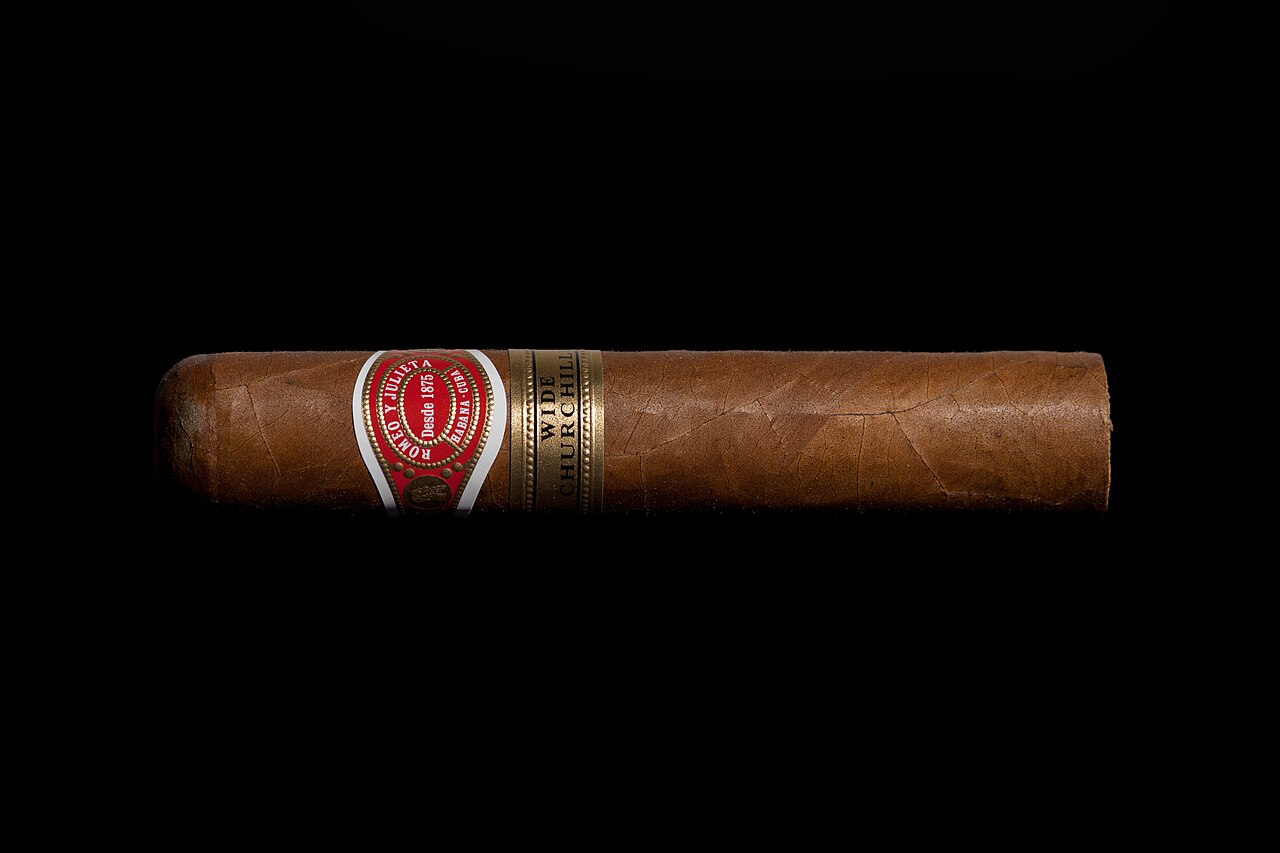
In general collector use, vitola means the combination of size and shape. In the Cuban system, vitola de galera is the factory format name, while vitola de salida is the commercial name used for a particular cigar.
That distinction matters because two brands may sell the same factory format under different names—and two manufacturers may use the same familiar name for different dimensions.
Official Habanos vitola definition ↗A listing such as 6 × 52 means the cigar is six inches long and has a ring gauge of 52/64 of an inch.
Measured from the head to the foot, normally stated in inches in the United States and millimeters in many other markets.
Diameter expressed in sixty-fourths of an inch. A 52 ring is 52/64 inch—approximately 0.8125 inch or 20.6 mm.
Dimensions identify the physical format more reliably than “Toro,” because commercial naming is not perfectly standardized.
Straight-sided cigars with a consistent ring gauge along most of the body. The head is normally rounded and capped; the foot is usually open. Coronas, robustos, toros, Churchills, and lanceros are common parejo forms.
Cigars whose form departs from the straight-sided cylinder. Tapers, points, curves, closed feet, and changing diameters affect bunching, wrapper application, cutting, lighting, and combustion.
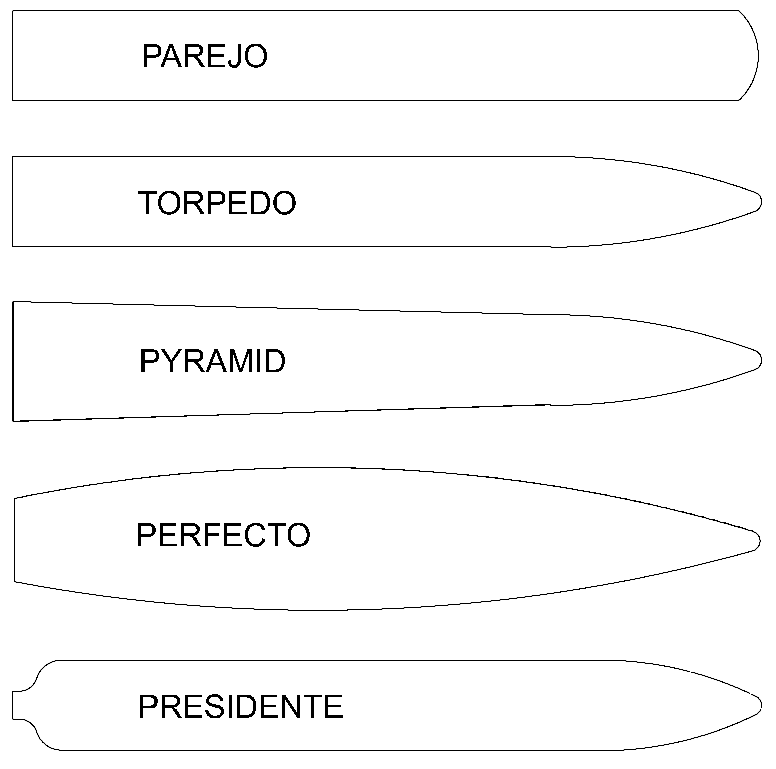
A straight body asks for uniform density. A taper asks the roller to change diameter without blocking airflow. A curved double figurado must transition through several proportions while maintaining the intended blend and burn.
Shape is the visible record of decisions made inside the bunch.
These are useful reference ranges—not universal laws. Always record the manufacturer’s stated dimensions with the commercial vitola name.
Compact, traditional proportions with a relatively high wrapper-to-filler relationship.
A short, substantial format that became a modern reference point for comparing blends.
A classic proportion that balances wrapper influence, filler development, and manageable length.
Wider than a traditional corona while retaining a focused, elegant proportion.
More tobacco and time than a robusto, with enough width to support a complex filler arrangement.
Long and relatively slender, rewarding precise bunching and careful combustion.
A long format that gives a blend room to develop, but demands consistency throughout the bunch.
Long, narrow, wrapper-forward, and unforgiving of construction errors.
A large-ring format requiring more filler tobacco and thoughtful blend adjustment.
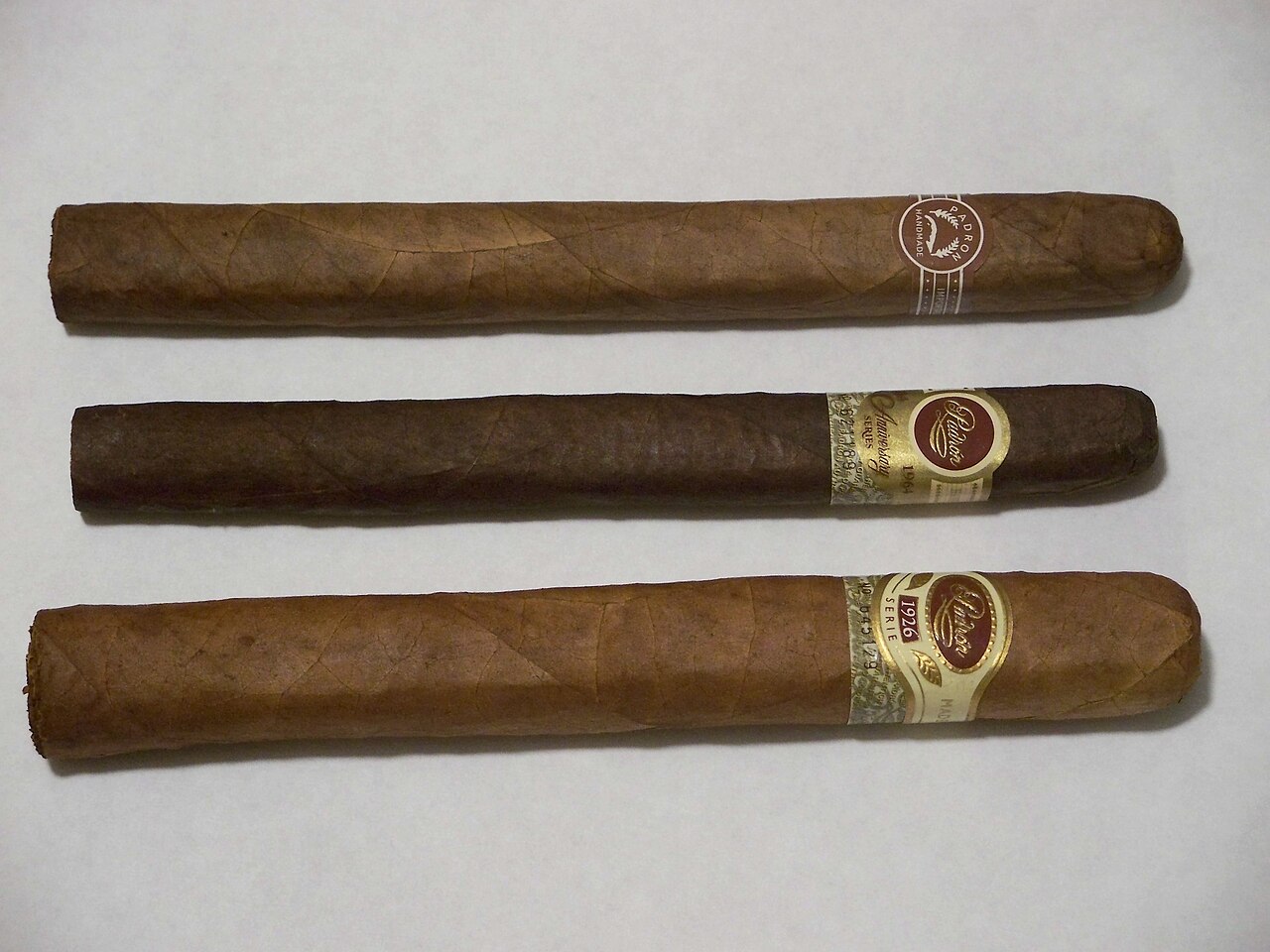
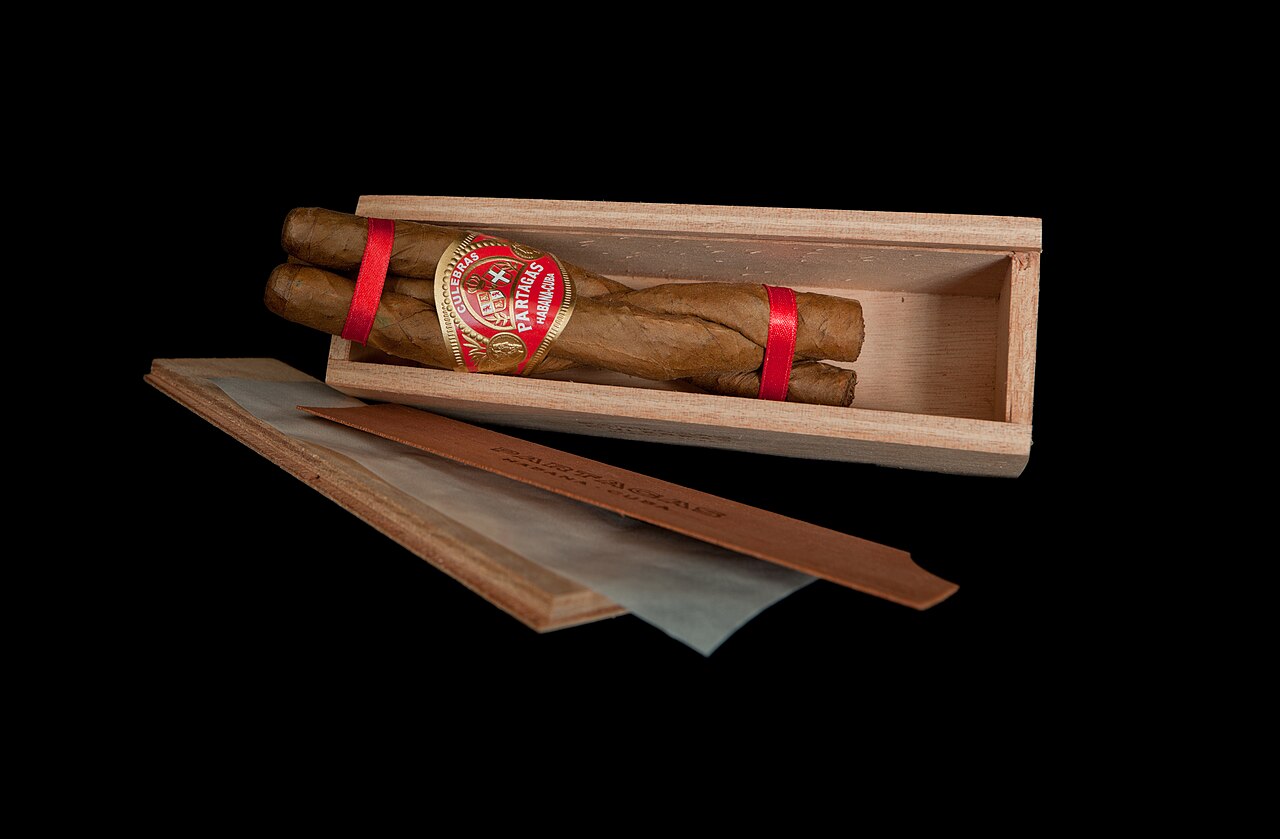
Manufacturers and markets sometimes use these words differently. Hojavía records both the stated name and the measurable shape.
Usually a parejo body with a shorter tapered head. The narrowing head lets the collector choose a smaller or wider cut.
A long taper toward a pointed head. Usage varies by manufacturer, so the stated dimensions matter more than the name alone.
Broad at the foot and progressively narrower toward the head, changing the tobacco proportions along the cigar.
Tapered at both ends, commonly with a closed or narrow foot and a fuller center. Lighting and early combustion feel different from a parejo.
A large, dramatic double figurado whose curves and changing diameter require advanced rolling skill.
Several narrow cigars formed in a twisted presentation. Each strand is separated before smoking.
Size does not mechanically determine strength, quality, or flavor. It changes the physical system the blender and roller must manage.
A narrower cigar generally places more wrapper surface in relation to the filler. That may make wrapper character more noticeable, but it does not make the wrapper solely responsible for flavor.
A wider ring gauge gives the blender room for more leaves or different proportions. The blend may be deliberately adjusted rather than simply enlarged.
Diameter, bunch density, tobacco placement, humidity, pace, and construction all influence heat, airflow, and burn behavior.
Length can create more time for a cigar to evolve, but smoking duration is never guaranteed; tobacco, construction, environment, and the collector’s pace matter.
A tapered head allows the opening to be adjusted through the depth of the cut. Removing too much can compromise the cap and wrapper.
Long, thin, tapered, curved, and changing-diameter shapes expose errors quickly and require greater control of density and alignment.
Strength depends on the tobaccos and their proportions, not diameter alone.
Toro is a commercial convention. Actual dimensions vary across producers.
Blenders may adjust leaf proportions to preserve a line’s intended character across formats.
Pace, ring gauge, tobacco, construction, humidity, and environment prevent a guaranteed duration.
When comparing two vitolas from the same line, document length, ring gauge, shape, cut, draw, smoking pace, and where the profile changed. Over time, your journal will reveal which proportions best suit your preferences.


